
What You Should Know About Social Anxiety Disorder
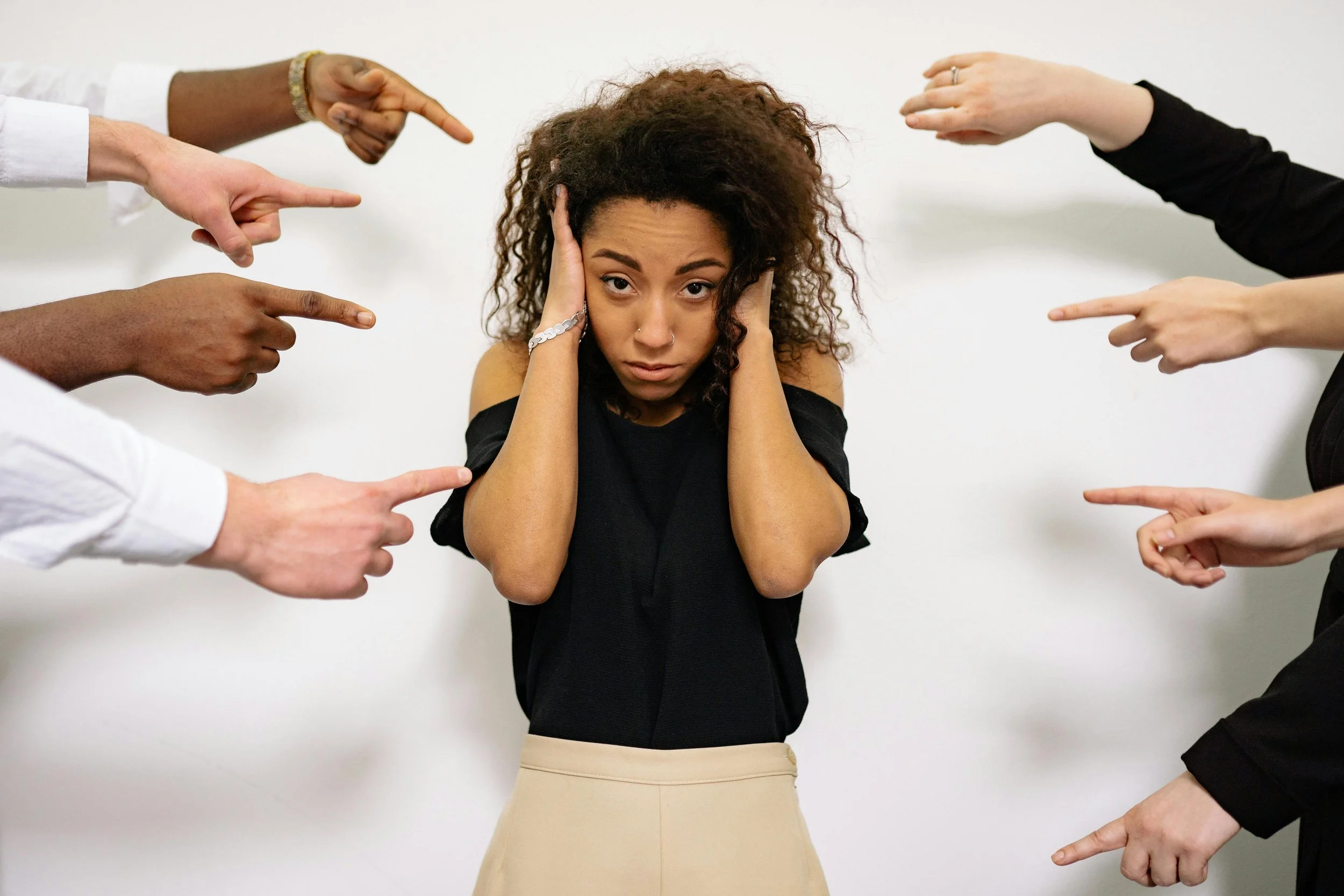
Have you ever wondered if you have social anxiety disorder?
Social anxiety disorder, sometimes abbreviated as SAD, is a significant source of distress for people who experience it.
What is social anxiety disorder?
Social anxiety disorder involves worry and panic related to social interactions. Rather than the normal jitters or nervousness that some people feel before social events, social anxiety disorder is an intense fear of being judged, humiliated, or rejected by other people in social situations.
This fear causes significant distress, and often leads to the person with SAD withdrawing from social situations and even activities they enjoy out of fear of being embarrassed or abandoned by other people. Social situations that often trigger SAD include parties, eye contact, talking to strangers, public speaking, dating, school, eating in public, job interviews, or using public transportation or public restrooms.
What are the symptoms of social anxiety disorder?
Social anxiety disorder can have a major impact on people’s lives, due to their fear of being mocked, judged, or rejected in social situations. Some people with SAD may worry about upcoming social events for weeks, or spend weeks afterward worrying about what people thought of them.
If you have social anxiety disorder, when you’re in a social situation (or thinking about one) you may experience:
Blushing, shaking, or sweating
Nausea, upset stomach, or other GI issues
Forgetting what you were going to say
Feeling dizzy or lightheaded, tunnel vision
An increased heart rate
Intense self-consciousness that won’t go away
Ruminating on details about the interaction
Feeling very uncomfortable when the center of attention or when watched
Avoiding eye contact
Shortness of breath
Voice shaking, speaking softly, or feeling like something is stuck in your throat
Muscle tension or rigid posture
Feeling like you’re outside of your body
Chest pain
How is social anxiety disorder different from being shy?
Social anxiety disorder is closer to a phobia than to simply being shy or being nervous.
Everyone has different comfort levels with social situations, depending on their personality, personal history, genetics, and mood. Some people are more shy than others, and don’t feel as comfortable around new people. However, people who experience social anxiety disorder don’t just feel butterflies in their stomach before big events or experience shyness occasionally. They feel intense, unending fear and shame about what other people will think of them even in everyday situations. Their worries become so intense that they may avoid any situation that brings up their fears, which can have an incredibly negative impact on their life.
For example:
They may turn down invitations to meet their friends out for dinner because they’re afraid to eat in front of other people, in case they spill on themselves and someone notices.
They might not apply for jobs where they have to talk to customers or sales representatives because they worry they’ll be an embarrassment to the company.
They may avoid speaking up in class because they don’t want to be judged or mocked by the other students, resulting in missed educational opportunities.
They may avoid building relationships with others, whether it’s friendships or romantic relationships, out of fear of rejection.
Living this way can be very isolating. When social anxiety disorder gets in the way of living your everyday life, it’s time to get help from a professional.
How do people develop social anxiety disorder?
Like many mental health disorders, we don’t really know the full answer for why exactly people develop SAD. Researchers and psychologists believe that it’s due to a combination of things, including a person’s genetics and environment. One environmental factor that may play a role is whether they’ve experienced abuse or bullying in their past. There may be biological reasons why people with SAD experience such intense fear and anxiety that has to do with the neurotransmitters in their brains that impact mood.
Whatever the reason, if you’re dealing with social anxiety, remember that it’s not your fault that you’re feeling this way.
What can you do if you have social anxiety disorder?
Social anxiety disorder, like all anxiety disorders and phobias, is very treatable. Some people find that medications help, so working with a psychiatrist or your primary care provider can help determine if medication is the right choice for you.
Working with a mental health professional like a therapist can help you learn to manage the fear and rumination that accompanies SAD. Therapists use modalities like Cognitive Behavioral Therapy (CBT) to help you spot negative thinking patterns and practice more positive ones, or Dialectical Behavior Therapy (DBT) to teach you skills to manage distressing moments. A therapist can also help you practice exposing yourself to social situations to teach yourself that you can experience the discomfort and cope through it, which can eventually help you stop avoiding social situations over time.
